A Reddit discussion about persistent ADHD symptoms and imposter syndrome reflects a wider problem: people are often asked to measure support by constant performance, even when capacity and conditions keep changing.
One person’s account is not population-level evidence, but it captures a recurring neurodivergent concern: a brief moment of workplace irritation can become a prolonged internal investigation with real costs.
One person’s account is not representative evidence, but it captures a recurring problem in neurodivergent discussions: the hidden labor around creative work can be mistaken for proof that the work itself is beyond reach.
A Bluesky post captures a recurring discussion among people who want unusually direct connection but experience uncertain responses as painful threats. The useful question is not whether openness is good, but how trust earns its pace.
A Bluesky question reflects a familiar public confusion: people often understand executive dysfunction as failure to try, while the real issue may be access to starting, shifting, organizing, or finishing under real-world conditions.
A Bluesky discussion highlights a recurring tension in autistic socializing: people may reject the signs of masking without understanding what is being concealed. The issue is less a universal rule than a sharp mismatch between social expectations and sustainable communication.
A Reddit advice request highlights a familiar conflict: when executive-function difficulties turn one partner into the household manager. The useful question is not who is at fault, but who owns the repair.
A Reddit discussion asking whether someone had managed ADHD unknowingly points to a wider problem: coping systems can preserve output while hiding the energy, sleep, and recovery they consume.
One post is prompting a careful question: can racialized experiences of scrutiny affect how people interpret neurodivergence, disability, gender, or plurality in themselves? The available discussion raises the issue but cannot settle it.
A short Bluesky post has revived a familiar argument about effort and responsibility. The better question is not which label wins, but what the stalled task is actually demanding.
One personal post about lost motivation is not representative evidence, but it reflects a recurring public conversation: how to investigate possible ADHD without turning distress into a diagnosis or a moral failure.
A recurring Reddit discussion reflects a familiar public problem: ordinary forgetfulness, persistent attention difficulties and sudden cognitive changes are often collapsed into one anxious search for a label.
A Bluesky post captures the collision between intense rejection distress and the fear of being read as suicidal. The gap matters: people need language that communicates urgency without erasing nuance.
One brief post is not representative evidence, but its blunt wording captures a recurring tension: people are asked to produce consistent output from systems that ignore activation costs, transitions, emotion, and recovery.
A Reddit discussion asking how people build skills with ADHD reflects a recurring tension: common practice advice emphasizes personal discipline, while lived experience points to friction, reward, visibility, and recovery.
A Bluesky discussion highlights a broader public understanding: difficulty starting or completing tasks can accompany ADHD, burnout, stress and other conditions, making practical support more useful than moral judgment.
A Reddit discussion asking what helps beyond medication reflects a broader practical question: how much relief comes from changing environments, routines, expectations, and access to external support rather than demanding more effort from the individual?
A recurring social-media joke points to a larger problem: people are recognizing blocked initiation and task management, but public explanations still too often turn access needs into character judgments.
A brief question reflects a wider tension in ADHD conversations: how to acknowledge real consequences without turning executive-function difficulties into evidence of moral failure.
A Reddit discussion about why people with ADHD may seek one another reflects a wider community concern: relief from constant translation can feel like belonging, but it does not guarantee dependable relationships.
A Reddit question about documenting symptoms points to a broader problem: people are often asked to explain inconsistent, context-dependent experiences without reliable access to the past.
A Mastodon discussion about autistic burnout is circulating a familiar pattern: people maintain urgent obligations while hobbies, friendships, and creative work vanish. The framework is unverified as a universal model, but the capacity question is real.
A Reddit discussion about resisting sleep points to a broader tension: late-night wakefulness can involve attention, autonomy, avoidance, and transition costs, not just a failure to value rest.

 A Bluesky question reflects a familiar public confusion: people often understand executive dysfunction as failure to try, while the real issue may be access to starting, shifting, organizing, or finishing under real-world conditions.
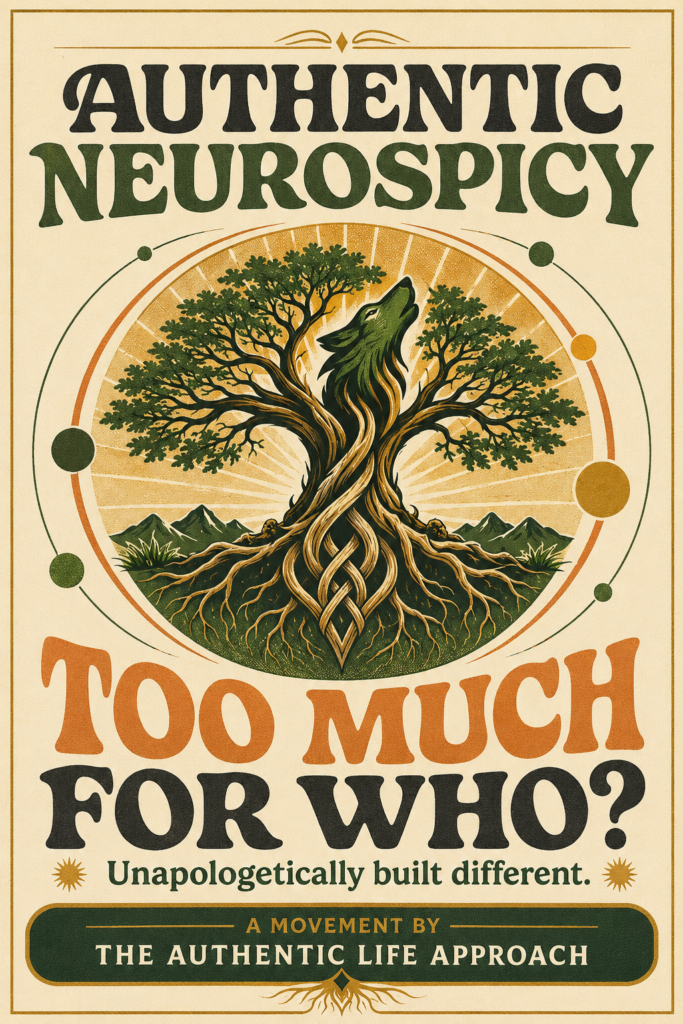 A Bluesky discussion highlights a recurring tension in autistic socializing: people may reject the signs of masking without understanding what is being concealed. The issue is less a universal rule than a sharp mismatch between social expectations and sustainable communication.
 A Reddit advice request highlights a familiar conflict: when executive-function difficulties turn one partner into the household manager. The useful question is not who is at fault, but who owns the repair.
 A Reddit discussion asking whether someone had managed ADHD unknowingly points to a wider problem: coping systems can preserve output while hiding the energy, sleep, and recovery they consume.
 One post is prompting a careful question: can racialized experiences of scrutiny affect how people interpret neurodivergence, disability, gender, or plurality in themselves? The available discussion raises the issue but cannot settle it.
 A short Bluesky post has revived a familiar argument about effort and responsibility. The better question is not which label wins, but what the stalled task is actually demanding.
 One personal post about lost motivation is not representative evidence, but it reflects a recurring public conversation: how to investigate possible ADHD without turning distress into a diagnosis or a moral failure.
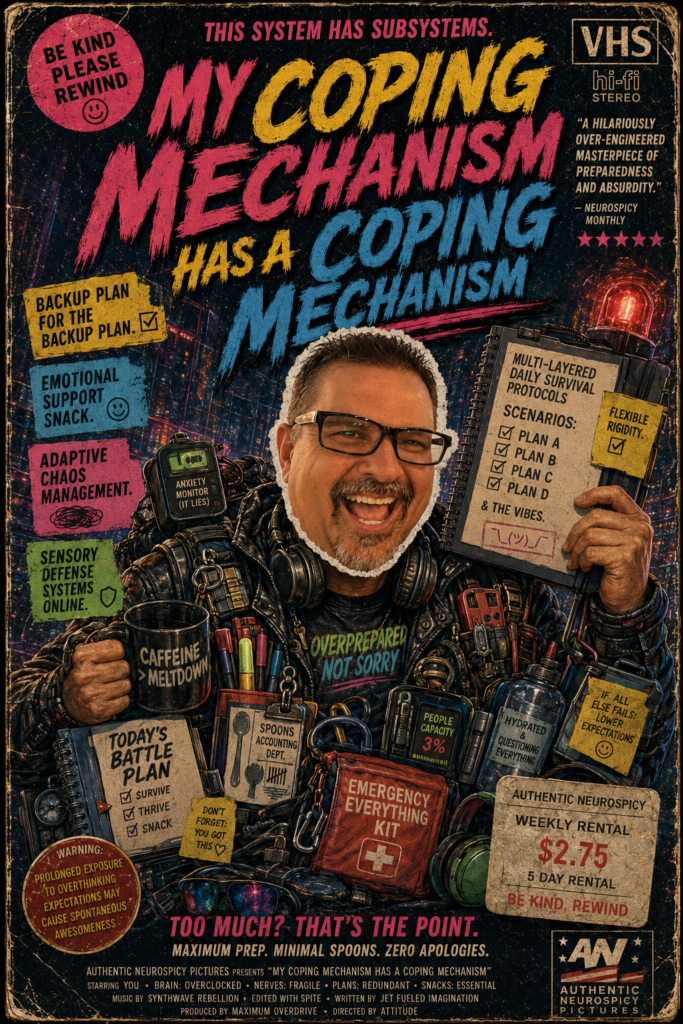 A recurring Reddit discussion reflects a familiar public problem: ordinary forgetfulness, persistent attention difficulties and sudden cognitive changes are often collapsed into one anxious search for a label.
 A Bluesky post captures the collision between intense rejection distress and the fear of being read as suicidal. The gap matters: people need language that communicates urgency without erasing nuance.
 One brief post is not representative evidence, but its blunt wording captures a recurring tension: people are asked to produce consistent output from systems that ignore activation costs, transitions, emotion, and recovery.
 A Bluesky discussion highlights a broader public understanding: difficulty starting or completing tasks can accompany ADHD, burnout, stress and other conditions, making practical support more useful than moral judgment.
 A Reddit discussion asking what helps beyond medication reflects a broader practical question: how much relief comes from changing environments, routines, expectations, and access to external support rather than demanding more effort from the individual?
 A brief question reflects a wider tension in ADHD conversations: how to acknowledge real consequences without turning executive-function difficulties into evidence of moral failure.
 A Reddit discussion about why people with ADHD may seek one another reflects a wider community concern: relief from constant translation can feel like belonging, but it does not guarantee dependable relationships.
 A Mastodon discussion about autistic burnout is circulating a familiar pattern: people maintain urgent obligations while hobbies, friendships, and creative work vanish. The framework is unverified as a universal model, but the capacity question is real.