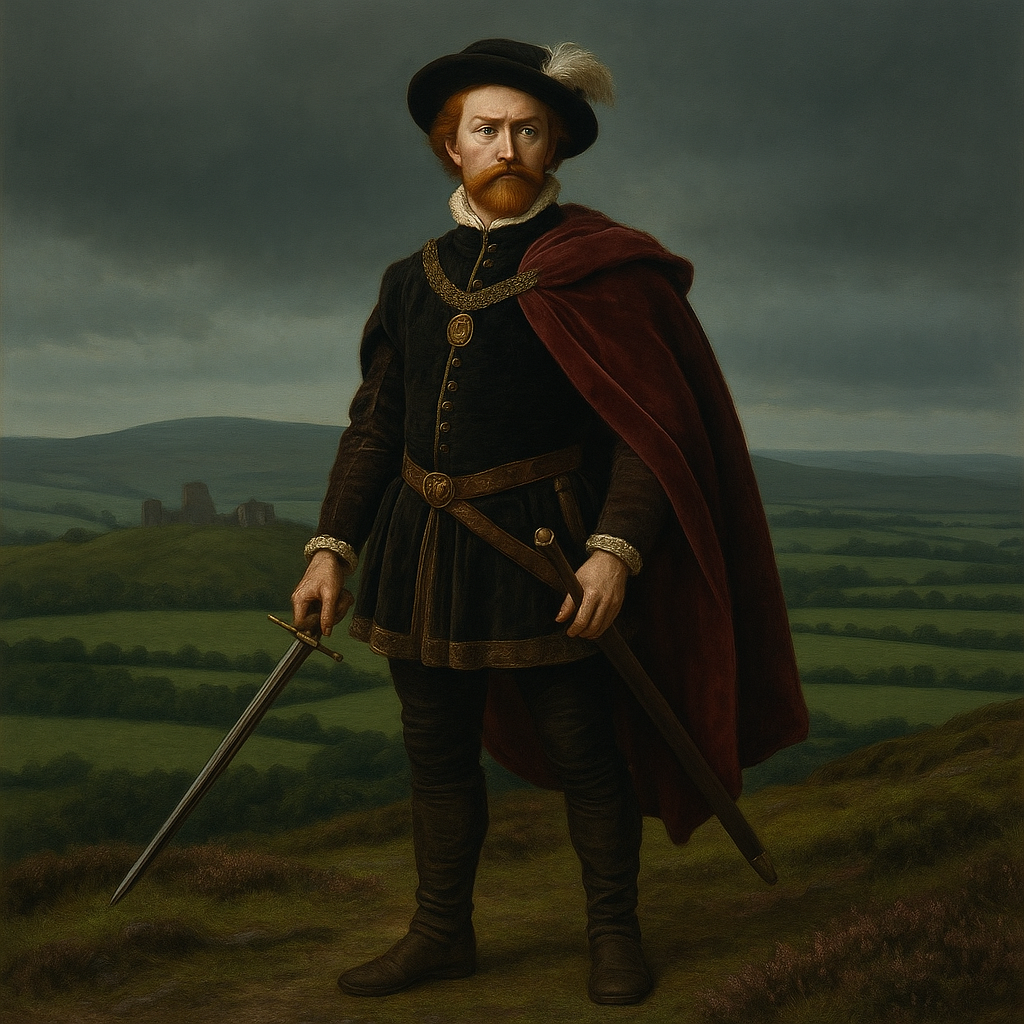
Indigenous People in Crisis: Fear of Losing Their Homeland
Irish people have every right to defend their country, culture, and future.
No apology is required.
When people born and raised in Ireland cannot find a rental, afford a home, or imagine raising children in their own town, something has gone badly wrong. When the state then finds buildings, beds, contracts, and emergency funding for newcomers, people notice.
It feels like displacement.
For a people carrying centuries of land loss, eviction, emigration, cultural suppression, and outside rule, it can feel deliberate.
Irish identity is more than a passport. It lives in language, land, family continuity, music, place names, local memory, and the survival of a culture repeatedly pressured to surrender itself.
Standing up for that inheritance is not extremism.
The distinctions still matter. Immigration is not asylum. Protest is not riot. A person seeking safety is not the same as the institution designing national policy.
But those distinctions cannot silence the central complaint.
Migration adds demand to a housing system already failing Irish citizens. The mechanism includes underbuilding, planning failures, vacancy, speculation, institutional ownership, government contracts, and population pressure. Complexity does not cancel consequences.
So ask the harder questions.
Who owns the hotels and accommodation sites? Who receives state payments? Which vacant buildings became profitable after emergency contracts appeared? Who approved each placement? Who assessed local capacity? Who ignored the community?
The newcomer is visible.
The contract is not.
Then there is Brussels.
Which decisions come from Irish policy? Which come from European law or agreements? Which are choices made by departments, administrators, and contractors? Who actually has discretion, and who merely claims they do not?
“Brussels made us do it” can become a shield for Dublin. Yet when authority grows distant and accountability disappears into layers, people naturally suspect the system is designed to prevent them from saying no.
That suspicion is feeding older language about plantation, colonization, and dispossession. Present immigration is not the Plantation of Ulster. The emotional pattern, however, is recognizable: outside authority, inward movement, declining local influence, and permanent demographic change.
Foreign personalities have also noticed. After the November 2023 Dublin riot, Nick Fuentes described Ireland as nearing civil war. Steve Bannon, Tucker Carlson, Tommy Robinson, Elon Musk, and Donald Trump Jr. later amplified versions of an Irish uprising narrative.
Ireland has become valuable content.
Ancient nation. Angry crowds. Police lines. Burning vehicles. A government accused of abandoning its own people.
Irish communities need their own voice. They should not have to rely on foreign personalities who may express genuine sympathy, chase engagement, or encourage escalation without living with the consequences.
Reports concerning violence in Northern Ireland and claims made in the New IRA’s name add another dangerous layer. The original video, earliest upload, speaker identity, channel provenance, and direct PSNI, Garda, MI5, or court material remain essential. If genuine, the implications are serious. If fabricated, another question appears.
Who benefits from attaching the IRA name to immigration unrest?
This is not simply Irish people against migrants. It is a three-sided conflict involving communities demanding homes and control, newcomers seeking accommodation or safety, and powerful government, property, and contracting interests controlling scarcity from above.
The first two meet face to face.
The third shakes the box.
Standing up is not the same as burning down. Violence hides the housing ledger and turns a national argument about sovereignty into a security operation.
Build the map. Publish beneficial owners. Open the contracts. Enforce immigration law. Build homes. Restore local consultation. Protect Irish culture.
Follow the deeds.
Follow the contracts.
Follow the money.
Then Ireland can name who is actually pulling the levers.
More from Michael Vanacore: michaelvanacore.com
Tags: #MichaelVanacore #MVUltra #Education #Housing #InvestigativeJournalism